The automotive industry is currently standing at the edge of the most significant transformation since Henry Ford introduced the assembly line over a century ago. We are moving away from an era where a car was defined by its horsepower, cylinder count, and mechanical endurance toward a future defined by lines of code. This new generation of transportation is known as the Software-Defined Vehicle, or SDV, and it essentially treats the car as a high-powered mobile computer.
Just as the smartphone replaced the traditional cellular phone by adding apps, internet connectivity, and constant updates, the SDV is doing the same for the driveway. Your future vehicle will not be a static piece of hardware that begins to age the moment you drive it off the dealership lot. Instead, it will be a dynamic platform that improves, evolves, and gains new capabilities through wireless software updates while you sleep.
This shift is changing everything from how cars are manufactured to how we interact with our daily commute on a fundamental level. By understanding this transition, we can see a future where the driving experience is personalized, safer, and more integrated into our digital lives than ever before. This article will explore why your next vehicle purchase will feel more like upgrading your iPhone than buying a traditional machine.
The End of Mechanical Stagnation
In the old days, if you wanted a faster car or a new navigation feature, you had to sell your current vehicle and buy a newer model. The hardware was the limit, and once the car left the factory, its features were essentially frozen in time for the rest of its life. The software-defined vehicle completely shatters this old-fashioned business model by separating the hardware from the software layer.
Manufacturers are now building cars with “over-provisioned” hardware, meaning the sensors and processors are more powerful than what the car needs on day one. This allows the company to send “Over-the-Air” (OTA) updates that can unlock more horsepower, improve braking distance, or add entirely new autonomous driving modes. The car becomes a living entity that stays fresh and relevant for a much longer period of time.
A. Centralized computing architectures are replacing the hundreds of small, isolated electronic control units found in older cars.
B. High-speed internal data networks allow different parts of the car to communicate with each other at lightning-fast speeds.
C. Cloud connectivity ensures that the car is always synchronized with the manufacturer’s latest security patches and feature sets.
D. Digital twins allow engineers to test new software on a virtual version of the car before sending it to the actual vehicle.
E. Standardized operating systems, similar to Android or iOS, are being developed specifically for the unique safety needs of the road.
Hardware as a Service (HaaS)
One of the most controversial but fascinating aspects of the SDV revolution is the move toward subscription-based features within the car. Since the hardware is already built-in, manufacturers can offer features like heated seats, faster acceleration, or advanced lighting as monthly add-ons. This allows owners to customize their car’s capabilities based on their current needs or budget.
For example, you might choose to pay for a “Self-Driving Package” only during a month when you have a long road trip planned. This flexibility creates a new revenue stream for car companies and gives consumers more control over the total cost of ownership. While some people dislike the idea of “renting” features, it allows for a much lower entry price for the base vehicle hardware.
A. Performance-on-demand allows users to temporarily boost the motor’s output for a weekend at the track or a mountain getaway.
B. Infotainment subscriptions provide access to premium streaming services, high-fidelity gaming, and real-time satellite weather data.
C. Safety-as-a-service offers advanced collision avoidance or parking assistance features for a low monthly fee.
D. Remote diagnostics can identify a failing part before it actually breaks, saving the owner from expensive emergency repairs.
E. Resale value is protected because the next owner can choose to subscribe to a completely different set of features.
The Rise of the Automotive OS
For a software-defined vehicle to function, it needs a robust and secure operating system that can manage everything from the brakes to the Netflix app. Tech giants like Google and Apple are already fighting for space on the dashboard with Android Automotive and the next generation of CarPlay. However, many car brands are also developing their own “in-house” operating systems to maintain control over the user data.
This battle for the “Automotive OS” is the new front line of the tech war between Silicon Valley and Detroit. Whoever controls the operating system controls the massive amounts of data generated by the car’s sensors and cameras. This data is incredibly valuable for insurance companies, city planners, and advertisers who want to understand consumer habits.
A. Open-source software platforms like Automotive Grade Linux are providing a foundation for companies to build their own custom skins.
B. Cybersecurity is the number one priority for these operating systems to prevent hackers from taking control of the vehicle’s movements.
C. Voice assistants are becoming the primary way we interact with our cars, allowing for hands-free control of almost every function.
D. App stores for cars will allow third-party developers to create unique experiences specifically designed for people on the move.
E. User profiles will follow you from car to car, automatically adjusting the seat, mirrors, and music when you sit down.
Safety and Autonomous Evolution
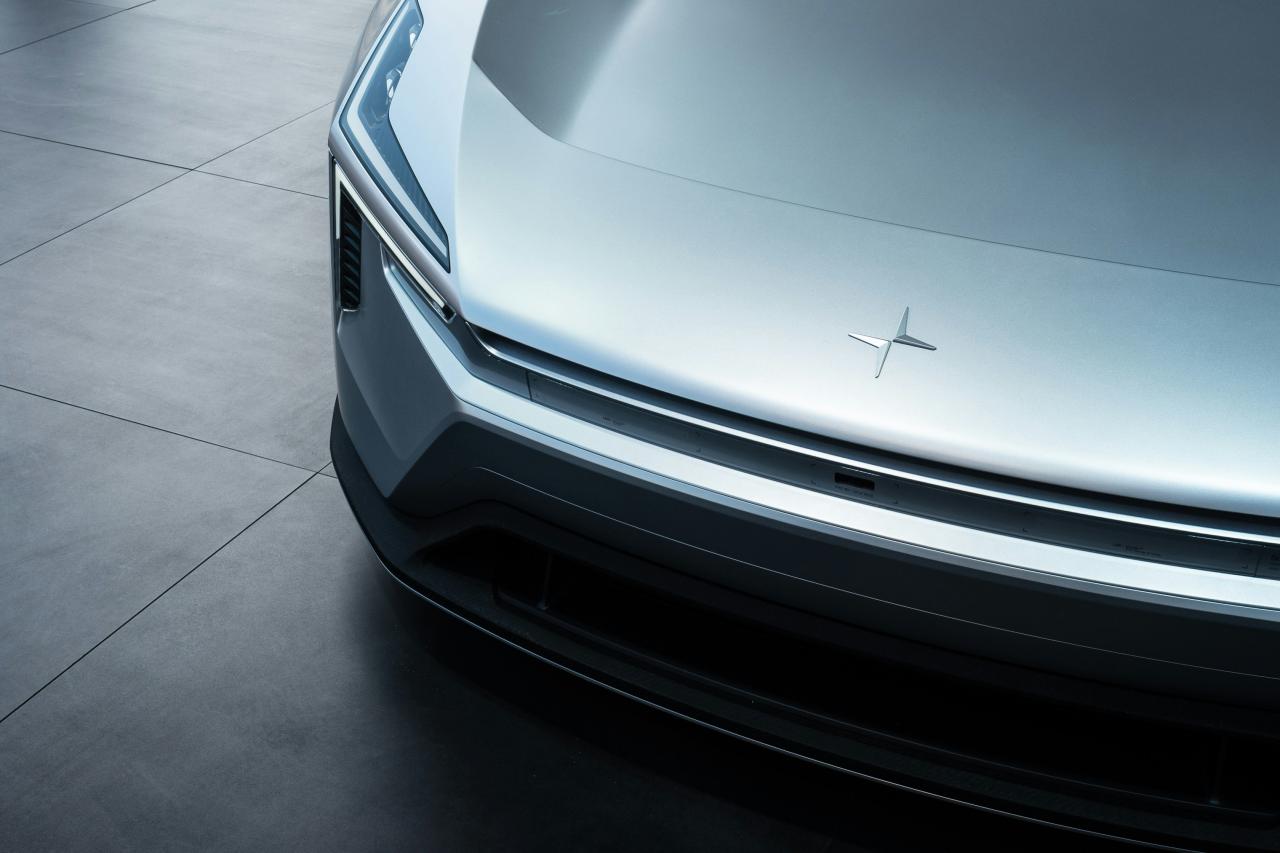
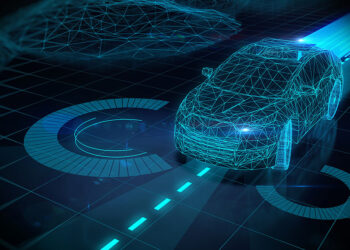
The transition to software-defined vehicles is the primary catalyst for the development of fully autonomous or “self-driving” cars. Modern vehicles are equipped with a suite of cameras, LiDAR, and radar sensors that act as the car’s eyes. The software is the “brain” that processes this data and makes split-second decisions to avoid accidents and navigate traffic.
Because the software can be updated, the car’s driving ability actually gets better the more it is driven. It learns from its own mistakes and the shared data of millions of other vehicles on the road. This collective intelligence means that a software-defined vehicle can eventually become a much safer driver than any human could ever hope to be.
A. Level 2 and Level 3 autonomy are already becoming standard in many new vehicles, allowing for hands-free highway cruising.
B. Emergency braking systems are being constantly refined through software to reduce false positives and improve stopping power.
C. Vehicle-to-Everything (V2X) communication allows cars to talk to traffic lights, stop signs, and other cars to prevent collisions.
D. Machine learning models are being trained on millions of miles of diverse driving data to handle edge-case scenarios.
E. Remote “valet” features allow the car to drop you off at the door and find its own parking spot in a crowded garage.
The Cabin as a Third Living Space
As cars become more autonomous and software-heavy, the interior of the vehicle is being completely reimagined. If the human no longer needs to focus on the road, the car becomes a “third space”—somewhere between the home and the office. We are seeing car cabins that can transform into mobile cinemas, gaming lounges, or quiet workspaces.
High-quality displays, immersive 3D audio, and ambient lighting are now just as important as the engine’s torque. The car is becoming a place where we consume media, conduct meetings, or even catch up on sleep during a long commute. This shift in focus is forcing interior designers to think more like architects and less like traditional car stylists.
A. Swivel seats allow passengers to face each other and have a social experience while the car handles the driving duties.
B. Augmented Reality (AR) head-up displays project navigation and points of interest directly onto the windshield in real-time.
C. Advanced noise-canceling technology creates a silent sanctuary inside the cabin, even when driving through a noisy city.
D. Biometric sensors can monitor the driver’s heart rate and stress levels, adjusting the music and lighting to keep them calm.
E. In-car gaming is becoming a major trend, with some vehicles now powerful enough to run high-end PC games on their screens.
Sustainability and the Circular Economy
Software-defined vehicles are also playing a crucial role in making the automotive industry more sustainable and environmentally friendly. By optimizing the battery management software, manufacturers can extend the range and life of an electric vehicle’s battery pack. This reduces the need for frequent battery replacements and lowers the total environmental impact of the car.
Furthermore, the longevity provided by software updates means that people will keep their cars for longer, reducing the “churn” of manufacturing new vehicles. When a car finally reaches the end of its life, its modular design makes it easier to recycle and reuse its high-tech components. The SDV is a key part of the move toward a circular economy in the transport sector.
A. Predictive maintenance software reduces the amount of oil and other fluids that are wasted through unnecessary servicing.
B. Energy-efficient routing algorithms help electric vehicles find the most efficient path to their destination to save power.
C. Recycled materials are being used for interior fabrics and plastics, which are then tracked through a digital “material passport.”
D. Second-life battery programs allow old car batteries to be used as stationary energy storage for homes and businesses.
E. Remote software fixes eliminate the need for millions of physical “recall” trips to the dealership, saving massive amounts of fuel.
The Impact on the Automotive Business Model
The shift to software is forcing traditional car companies to turn themselves into tech companies, which is not an easy task. Companies like Tesla have had a massive head start, but giants like Volkswagen, Toyota, and GM are now hiring thousands of software engineers. This transition is expensive and risky, but it is the only way to survive in the new digital age.
The way we buy cars is also changing, with many brands moving to a direct-to-consumer online sales model. The dealership’s role is shifting from a sales hub to a service and experience center. The relationship between the manufacturer and the customer is now constant, rather than just a one-time transaction every five years.
A. Recurring revenue from software subscriptions is becoming more important to a car company’s bottom line than the initial sale price.
B. Data monetization allows car brands to partner with insurers and city planners to create new services and products.
C. Over-the-air recalls allow manufacturers to fix safety issues instantly without the customer ever having to leave their home.
D. Branding is shifting toward the “user experience” (UX) of the software rather than the physical design of the car’s exterior.
E. Strategic partnerships between car makers and tech giants are becoming the new norm to share the massive costs of R&D.
Challenges of the Software-Defined Era
While the future looks bright, the road to the software-defined vehicle is filled with many technical and ethical challenges. Cybersecurity is the most obvious concern, as a hacked car is a significant danger to both the passengers and the public. Protecting the privacy of the massive amounts of data collected by the car is also a major hurdle for regulators.
There is also the issue of “planned obsolescence” and the “right to repair.” If a car is controlled by proprietary software, it becomes much harder for independent mechanics to fix it. We must ensure that the move toward software does not strip away the rights of the consumer to own and maintain their own property.
A. Regulatory frameworks are struggling to keep up with the pace of software innovation and autonomous driving technology.
B. Infrastructure in many parts of the world is not yet ready for the high-speed data needs of millions of connected cars.
C. Interoperability between different car brands remains a challenge, as every company wants to own its own unique ecosystem.
D. Legacy hardware in older cars cannot always support the latest software updates, creating a “digital divide” on the road.
E. Ethical dilemmas in AI programming, such as how a car should react in an unavoidable accident, remain a topic of intense debate.
The Role of 5G and V2X Communication
For a software-defined vehicle to reach its full potential, it needs to be constantly connected to a high-speed, low-latency network. The rollout of 5G is the “invisible highway” that will allow cars to share data in real-time with everything around them. This is known as Vehicle-to-Everything (V2X) communication, and it is the key to a zero-accident future.
Imagine a world where your car knows a pedestrian is around the corner before you can see them, because the pedestrian’s phone sent a signal. Or a world where traffic lights turn green exactly as you approach because they know your car’s speed and destination. This level of synchronization is only possible when the car is treated as a software-driven node in a larger network.
A. Cellular V2X (C-V2X) is becoming the global standard for how cars and infrastructure communicate with each other.
B. Edge computing allows data to be processed locally at the base station rather than in a distant cloud server, reducing lag.
C. Network slicing ensures that critical safety data in a car always has the highest priority over someone streaming a movie.
D. Intelligent intersections can manage the flow of traffic autonomously, reducing congestion and idle time for every vehicle.
E. Real-time mapping updates allow cars to navigate around new road construction or accidents as soon as they happen.
Conclusion

The transformation of the automobile into a software-defined vehicle is an inevitable shift that will redefine modern life.
Our relationship with cars is changing from one of ownership and maintenance to one of experience and connectivity.
The mechanical heart of the car is being replaced by a digital brain that is constantly learning and improving.
We are moving toward a future where accidents are rare and the stress of a daily commute is a thing of the past.
While there are many challenges ahead regarding privacy and security, the benefits to society are too large to ignore.
The car is no longer just a way to get from point A to point B; it is an extension of our digital world.
Manufacturers who fail to embrace the power of software will likely disappear in the coming decade of disruption.
Innovation in the automotive space is now moving at the speed of the internet rather than the speed of a factory.
Every update sent to your vehicle is a step toward a cleaner, safer, and more efficient global transport system.
Your next car will indeed be a smartphone on wheels, and it will be the most advanced tool you have ever owned.
Get ready to hit the “update” button on your driveway and embrace the new era of intelligent, connected mobility.