Modern metropolitan areas across the globe are grappling with a deepening transportation crisis, defined by the crippling, inefficient congestion that chokes central business districts, the environmental strain imposed by reliance on fossil-fuel-powered single-occupancy vehicles, and the frustrating inefficiency of the “last-mile” gap between major transit hubs and final destinations, all of which significantly degrade the quality of urban life.
For decades, city planners searched for a scalable solution to bypass the physical constraints of urban density and the high cost of massive infrastructure projects like subways or elevated highways, but few decentralized options provided the necessary agility and immediate accessibility required for true urban mobility transformation.
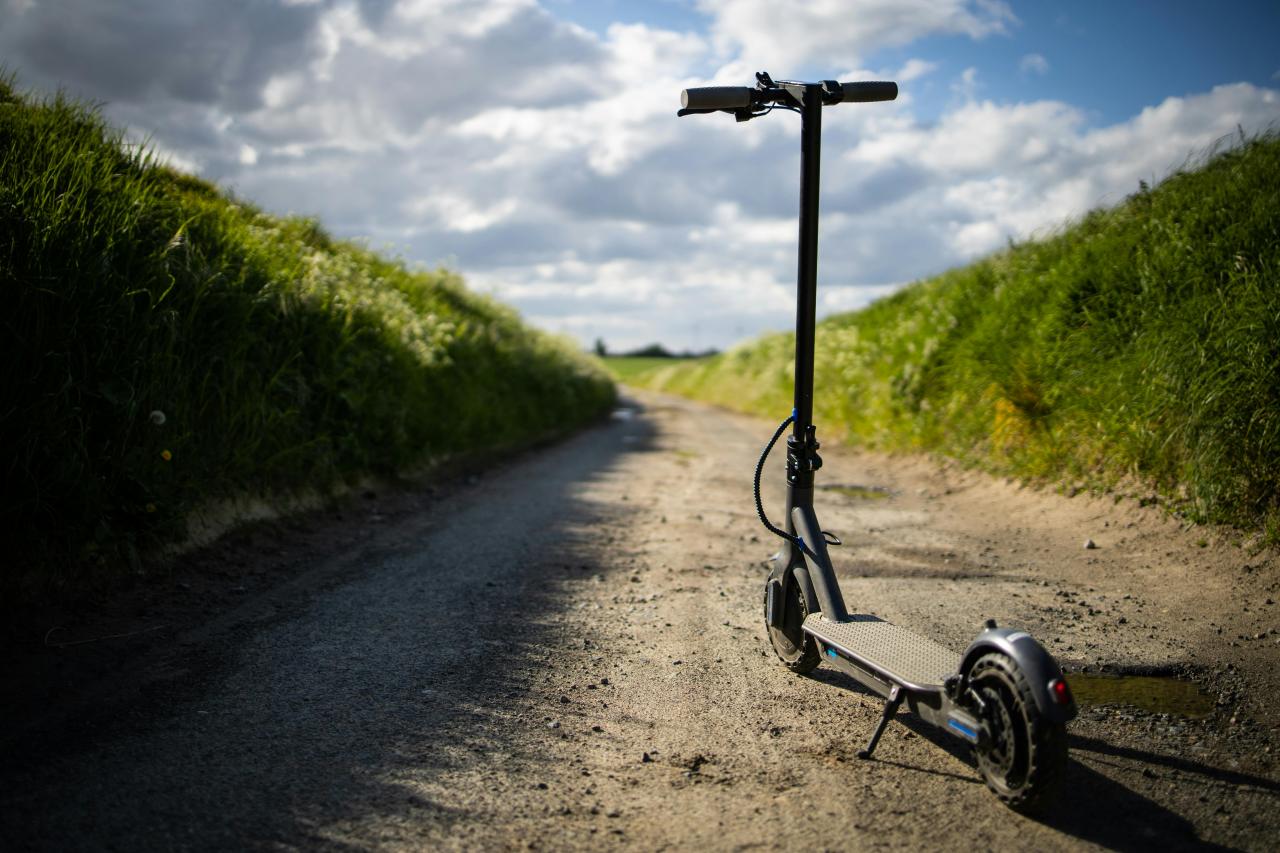
Into this complicated landscape of constrained movement, the unassuming electric scooter (e-scooter) has unexpectedly emerged as a disruptive, powerful force, offering a light, accessible, and remarkably flexible mode of personal transportation perfectly suited to the short-to-medium-distance travel that dominates most city commutes, providing a genuine alternative to slow-moving cars and crowded buses.
This micromobility revolution, driven by shared-fleet models and app-based rental services, is fundamentally reshaping commuter behavior by prioritizing speed, convenience, and environmental cleanliness, forcing city officials and infrastructure developers to swiftly reconsider the future design and planning of urban transit networks around these nimble, two-wheeled machines.
Pillar 1: The Micromobility Phenomenon Defined
Understanding the rise of small, personal, electric vehicles in dense urban environments.
A. What is Micromobility?
The category of transport that e-scooters belong to and its characteristics.
-
Small and Light: Micromobility refers to vehicles that are lightweight, typically weigh less than 500 lbs, and are designed to serve the needs of a single occupant.
-
Short-Distance Travel: These vehicles are optimally used for short-to-medium distances, generally ranging from 1 to 5 miles, solving the ubiquitous “last-mile” problem.
-
Electric Power: The vast majority of modern micromobility devices, including e-scooters and e-bikes, are powered by electric batteries, contributing to zero tailpipe emissions and noise reduction in cities.
B. E-Scooters vs. Traditional Transit
The distinct advantages of e-scooters over cars and public buses.
-
Speed in Congestion: Unlike cars or large buses, e-scooters can often navigate through or bypass heavy trafficusing bike lanes or quieter side streets, providing faster, more predictable travel times for short commutes.
-
Accessibility and Spontaneity: The shared-fleet model allows users to instantly locate, unlock, and ride a scooter via a smartphone app, removing the commitment of ownership and the rigid scheduling of public transit.
-
Cost-Effectiveness: While not free, the per-trip cost of using a shared e-scooter is significantly lower than taxi services or ride-hailing apps, making it a budget-friendly option for daily short commutes.
C. The Last-Mile Solution
Filling the gap between centralized transport and the final destination.
-
Bridging the Distance: The “last mile” is the distance between a major public transit hub (like a subway station or train depot) and the rider’s final office or home location.
-
Increased Transit Ridership: By offering a fast, convenient way to cover this gap, e-scooters can make public transportation more appealing to a wider demographic, as the total journey time becomes competitive with driving.
-
Decongesting Central Hubs: They help distribute commuter traffic upon exiting stations, preventing the immediate congestion caused by large groups of people switching to private transport or overwhelming pedestrian walkways.
Pillar 2: The Technology Behind the Transformation
The engineering and digital infrastructure that powers the e-scooter revolution.
A. Battery and Motor Efficiency
The technological leaps that made e-scooters viable.
-
Lithium-Ion Density: The widespread use of high-density lithium-ion batteries provides the necessary range (often 15–30 miles) and power while keeping the overall vehicle weight low.
-
Brushless DC Motors: Modern e-scooters rely on efficient Brushless DC (BLDC) hub motors, which are compact, powerful, and require minimal maintenance, driving the wheels directly.
-
Smart Battery Management: Sophisticated Battery Management Systems (BMS) monitor temperature, charge cycles, and output, maximizing battery life and ensuring safe operation, which is critical for shared fleets.
B. The Role of Connectivity (IoT)
Using cloud technology to manage shared scooter fleets.
-
GPS Tracking: Every shared scooter contains a built-in GPS tracker and cellular connection, allowing the operator and the user to locate the nearest available unit in real-time.
-
App Integration: The entire user experience—from unlocking and payment to ride monitoring and reporting—is managed through a centralized mobile application, creating a seamless, frictionless rental process.
-
Geofencing: Operators use geofencing technology (virtual geographic boundaries) to control speed in sensitive areas, enforce no-parking zones, and limit operating areas, addressing city planning concerns.
C. Charging and Logistics Management
The operational challenge of keeping the fleets charged and balanced.
-
Swappable Batteries: Many modern fleets are moving toward standardized swappable batteries that can be exchanged by maintenance staff in minutes, eliminating the need to physically transport the entire scooter for charging.
-
Dynamic Repositioning: Using usage data and predictive modeling, companies dynamically reposition scootersovernight or during low-demand periods, ensuring adequate supply in high-demand areas like business districts and transit points.
-
Nighttime Collection: The operational backbone relies on efficient nighttime collection and charging logistics, often utilizing smaller, custom vans to manage the hundreds or thousands of units scattered across the city.
Pillar 3: Environmental and Urban Impact

Assessing the sustainability benefits and infrastructure challenges e-scooters present.
A. Reducing Carbon Emissions
The environmental advantages of shifting from internal combustion engines.
-
Zero Tailpipe Emissions: For every car trip replaced by an e-scooter trip, there is a direct reduction in localized air pollution and greenhouse gas emissions within the dense urban core.
-
Lower Embodied Carbon: The manufacturing and material use (embodied carbon) of a lightweight e-scooter is dramatically lower than that of a full-sized car, making its lifecycle impact much smaller.
-
Need for Renewable Charging: The true environmental benefit is only fully realized if the electricity used to charge the scooters comes from renewable sources, which is a growing focus for operators and cities.
B. The Infrastructure Conflict
Integrating a new vehicle type into existing urban spaces.
-
Sidewalk vs. Street: The ambiguity over where e-scooters legally and safely belong (sidewalks, bike lanes, or general traffic lanes) is the biggest friction point with pedestrians and drivers alike.
-
The Clutter Problem: Shared scooters can lead to “sidewalk clutter” or “visual pollution” when users abandon them haphazardly, blocking pedestrian paths and creating mobility hazards.
-
Demand for Protected Lanes: The rise of e-scooters and e-bikes has significantly increased the demand for dedicated, protected bike lanes, forcing cities to reprioritize street space away from cars.
C. Safety and Regulation Challenges
Addressing accidents, speed, and mandatory standards.
-
Accident Rates: E-scooters, particularly in mixed-use areas, have a higher initial accident rate than cars or bicycles, often due to user inexperience, poor road surface quality, or collisions with pedestrians.
-
Speed Control: Many cities enforce maximum speed limits (often 15-20 mph) and utilize geofencing to automatically slow down scooters in high-pedestrian zones to minimize risk.
-
Helmet Mandates: Regulatory bodies continue to debate the necessity of mandatory helmet laws for e-scooter use, balancing safety concerns against the desire to maintain ease of access and spontaneity for quick trips.
Pillar 4: The Economics of Micromobility
Analyzing the business models, market competition, and economic disruption.
A. Shared-Fleet Business Models
How companies monetize the rental of scattered assets.
-
Unlock Fee Plus Per-Minute Charge: The standard pricing model involves a small upfront fee to unlock the scooter and a subsequent charge based on the duration or distance of the ride, incentivizing efficiency.
-
Subscription Passes: Many companies now offer monthly or daily subscription passes that waive the unlock fee or offer unlimited short rides, targeting regular commuters.
-
Competition and Consolidation: The market is fiercely competitive, leading to significant pricing pressure and rapid consolidation as major players (like Lime and Bird) buy out or merge with smaller local competitors to achieve scale.
B. The Shift to Ownership
The growth of the private e-scooter market for dedicated commuters.
-
Predictable Daily Commute: For commuters with a highly predictable, consistent route, purchasing a private e-scooter often becomes cheaper and more convenient than paying daily rental fees over the long term.
-
Quality and Customization: Private ownership allows the user to invest in higher quality, more durable modelswith better battery range, suspension, and customization features not available in shared fleets.
-
Regulation Gap: Private e-scooters often operate in a regulatory gray area separate from shared fleets, sometimes giving them greater freedom regarding parking and speed, though this is rapidly changing.
C. Economic Disruption and Opportunity
The changes e-scooters introduce to the urban economy.
-
Boost to Local Businesses: By increasing the ease of access to neighborhoods and business districts, e-scooters can drive foot traffic to local retail shops and cafes, particularly in areas underserved by traditional transit.
-
Impact on Taxi/Ride-Hail: E-scooters directly compete with ride-hailing services for short-distance trips, potentially lowering revenue for taxi and car services within the urban core.
-
New Job Creation: The industry generates new types of jobs, including fleet managers, maintenance technicians, and “juicers” (the independent contractors responsible for collecting and charging the shared fleet units).
Pillar 5: Integrating E-Scooters into the Future Smart City
Planning for a seamless, multi-modal transportation future.
A. Designing Dedicated Infrastructure
Creating safe, efficient corridors for micromobility.
-
Protected Bike Networks: The future city must prioritize the rapid expansion of physically separated bike lanesthat connect residential areas to major commercial and transit hubs, providing safe spaces for e-scooters.
-
Designated Parking Hubs: Cities are implementing mandatory, designated parking zones (hubs), often integrated with public transit stations, to eliminate haphazard parking and sidewalk obstruction.
-
Smart Intersections: Utilizing smart city technology to prioritize micromobility at intersections, adjusting traffic light timings based on the real-time presence of scooters and bikes.
B. Multi-Modal Integration
Making the e-scooter a seamless part of the total journey.
-
Universal Transit Apps: Developing or using apps that allow users to plan, pay for, and track their entire journey—including public transit, ride-hailing, and e-scooter segments—within a single interface.
-
Transit Discounts: Offering discounted e-scooter fares to users who scan a public transit pass within a short time frame, actively encouraging the combination of bus/train and scooter travel.
-
Data Sharing with Cities: Operators must share anonymized usage data with city planners to help them understand traffic flow, identify infrastructure deficiencies, and optimize future transit investments.
C. Regulation as a Partnership
Moving from antagonism to collaborative governance.
-
Pilot Programs: Cities should implement structured, limited-time pilot programs with operators to test safety metrics, usage patterns, and parking enforcement before implementing permanent, large-scale regulations.
-
Safety Education Campaigns: Collaborative efforts between the city and operators to launch public education campaigns promoting safe riding practices, helmet use, and respectful interaction with pedestrians.
-
Sustainability Metrics: Cities are increasingly including sustainability requirements in operating permits, demanding high vehicle lifespan, ethical battery disposal, and demonstrable use of renewable energy for charging.
Conclusion: Agility and Access in the Urban Future
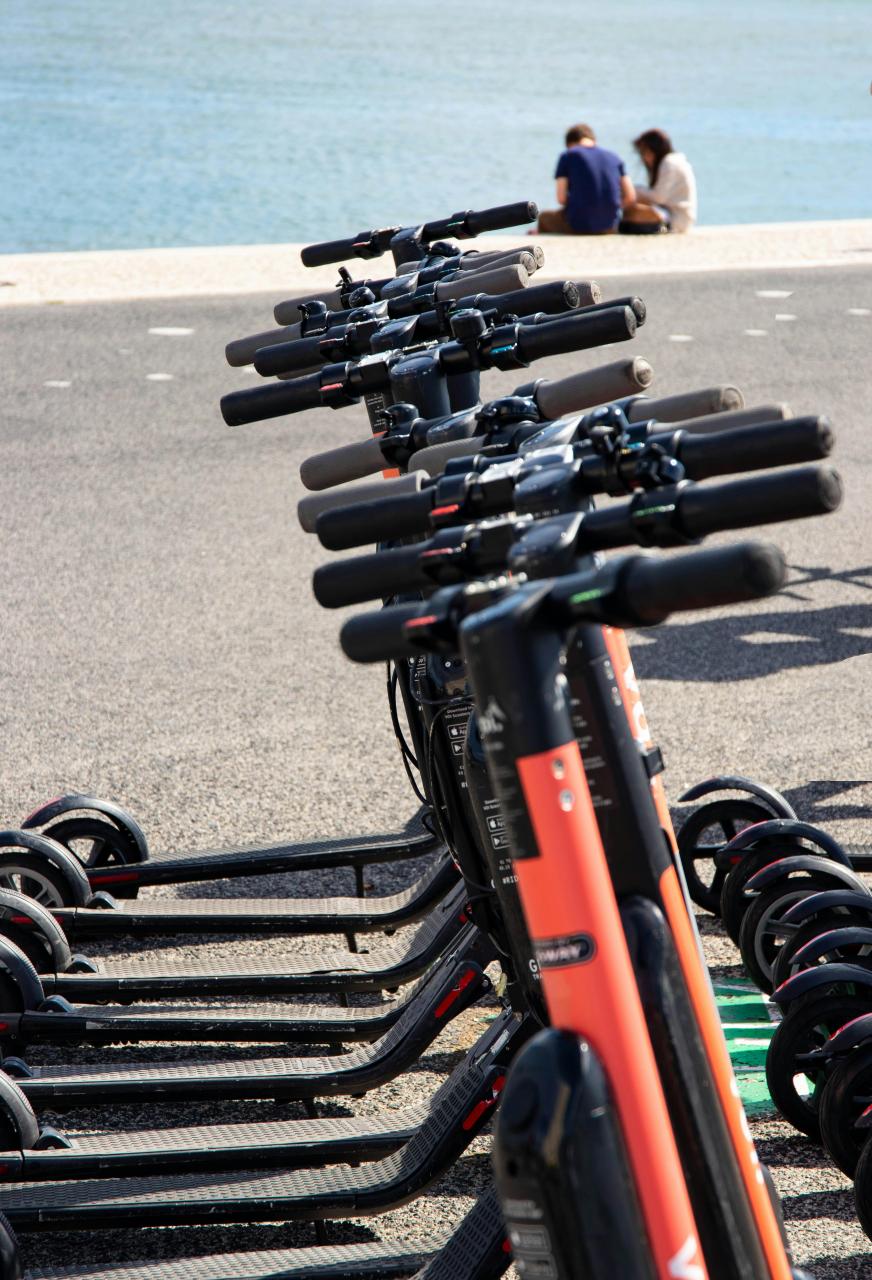
The electric scooter represents far more than a passing fad, signaling a fundamental shift toward agile, personalized, and efficient transit solutions necessary for the high-density urban environment.
E-scooters directly address the perennial problem of the “last mile,” seamlessly connecting centralized public transportation systems to final destinations and making overall commuting times faster and more competitive with private vehicle use.
The foundation of this revolution is advanced technology, including high-density lithium-ion batteries and sophisticated cloud-based geofencing systems that ensure safe, trackable, and manageable fleet operations across vast metropolitan areas.
Beyond convenience, the shift to zero-tailpipe-emission micromobility offers a significant environmental benefit, helping cities actively combat localized air pollution and reduce their overall carbon footprint.
However, the rapid influx of scooters necessitates immediate, proactive infrastructure responses, demanding the swift creation of dedicated, protected bike lanes and mandatory parking hubs to resolve conflicts with pedestrians and sidewalk clutter.
Successful integration requires cities and operators to move past initial friction, embracing a partnership model that uses shared data and clear safety standards to build a truly multi-modal, seamless transit ecosystem for all residents.
Ultimately, the humble e-scooter is not just a commuting tool but a powerful symbol of the future urban landscape, one where human-centric design and electrified convenience triumph over the stagnation and congestion caused by outdated, car-centric planning.